Exploring the how and why of history
Decision Games
Over 3,000 years of military history playable on your table!

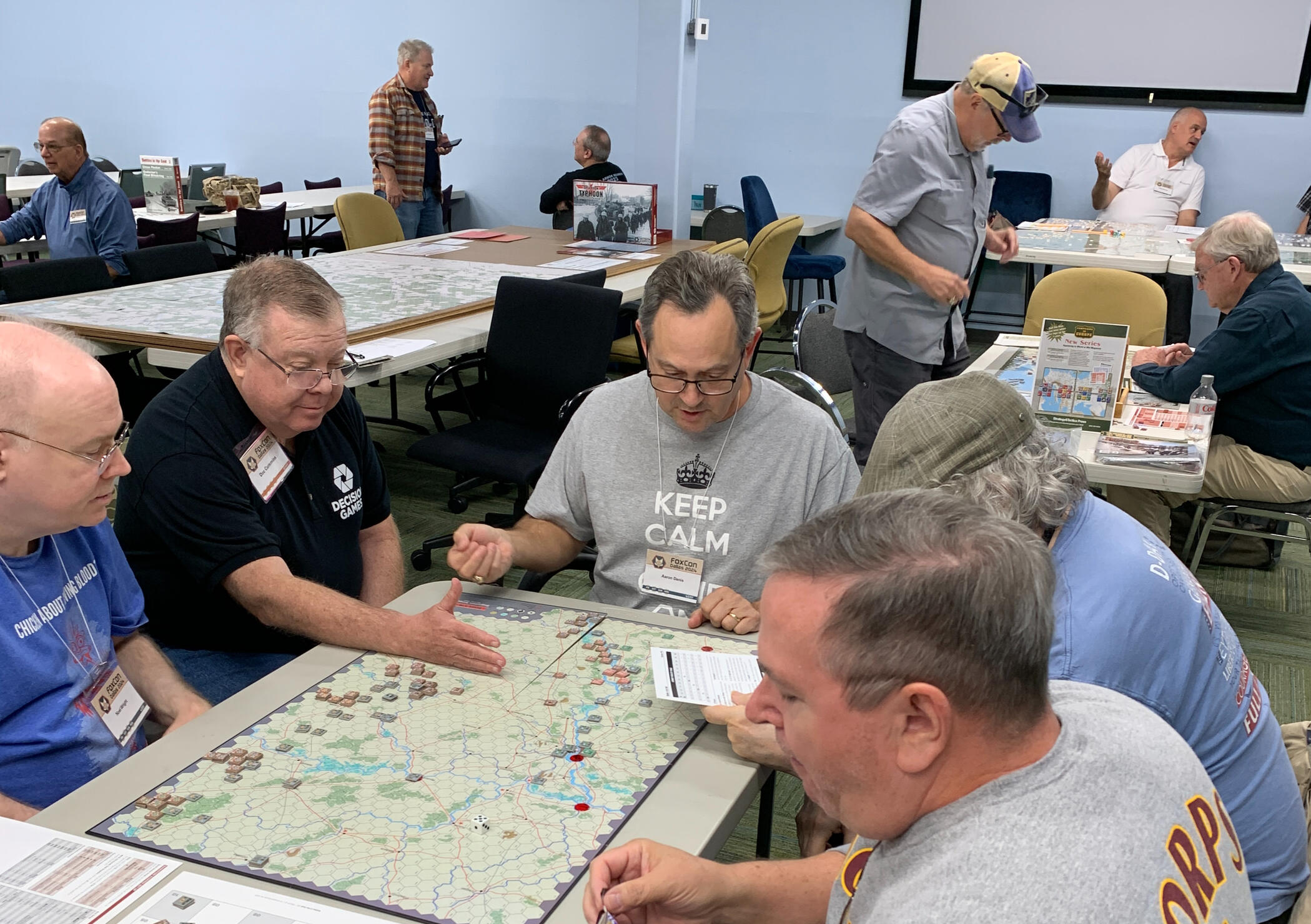
About Us
We produce multiple board wargame lines from entry-level games to detailed, well-researched simulations allowing players to try different strategies and tactics, not just recreate historical outcomes. Our game lines run from ancient warfare to near-term potential conflicts.
Whether you are looking for an accessible introduction to a historical period or want to take a deep dive, Decision Games has many games to explore and enjoy.
Meet the team
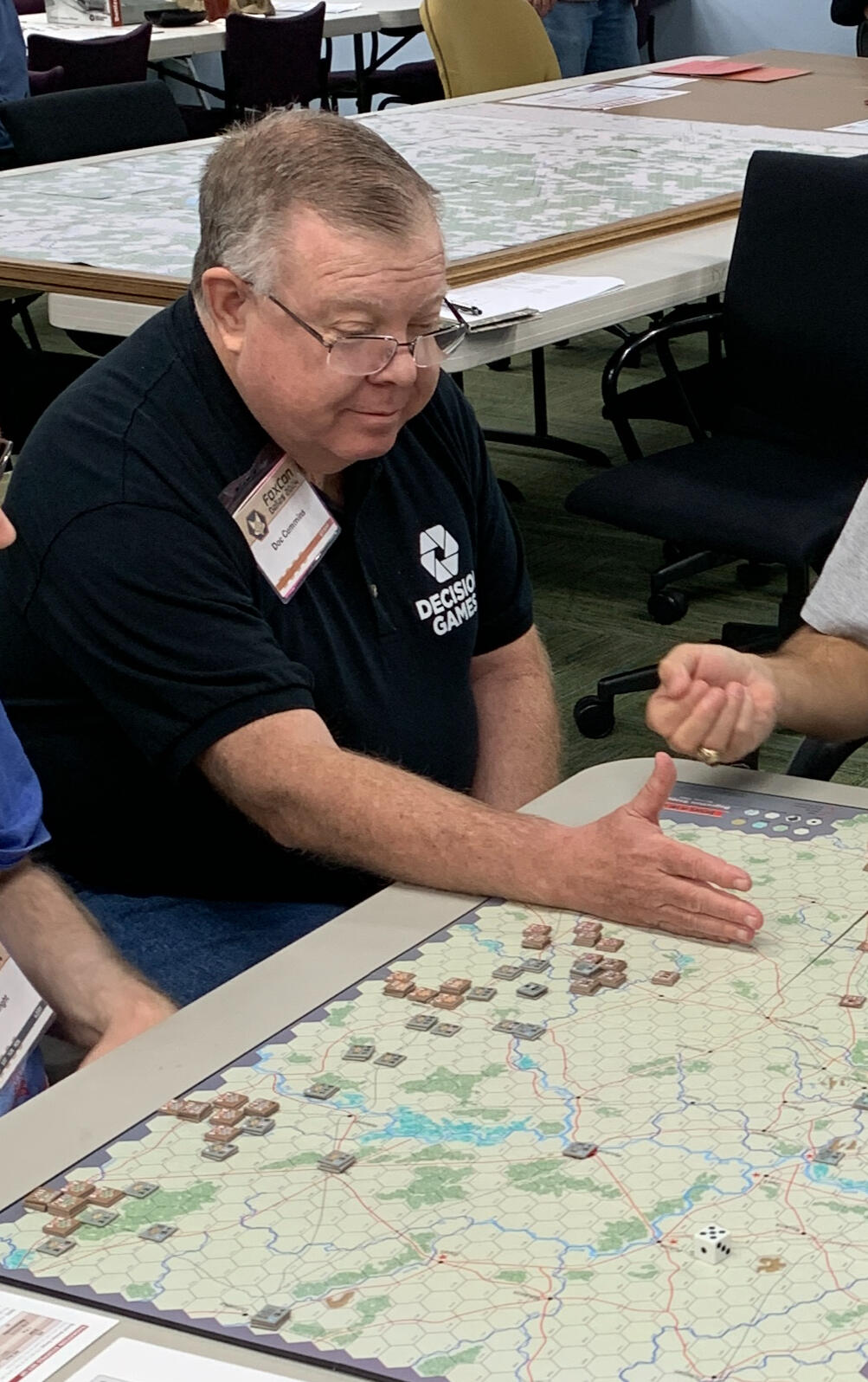

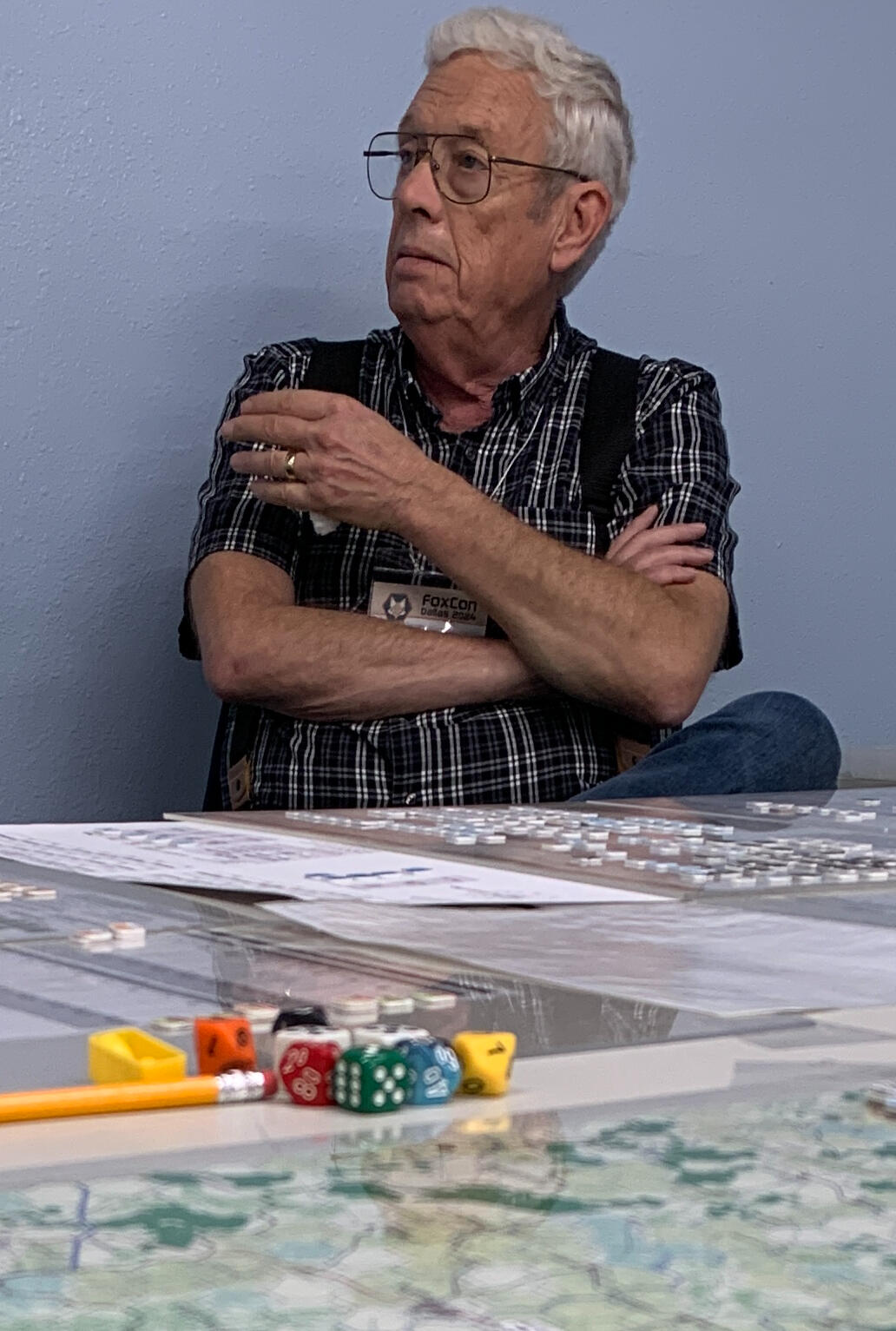
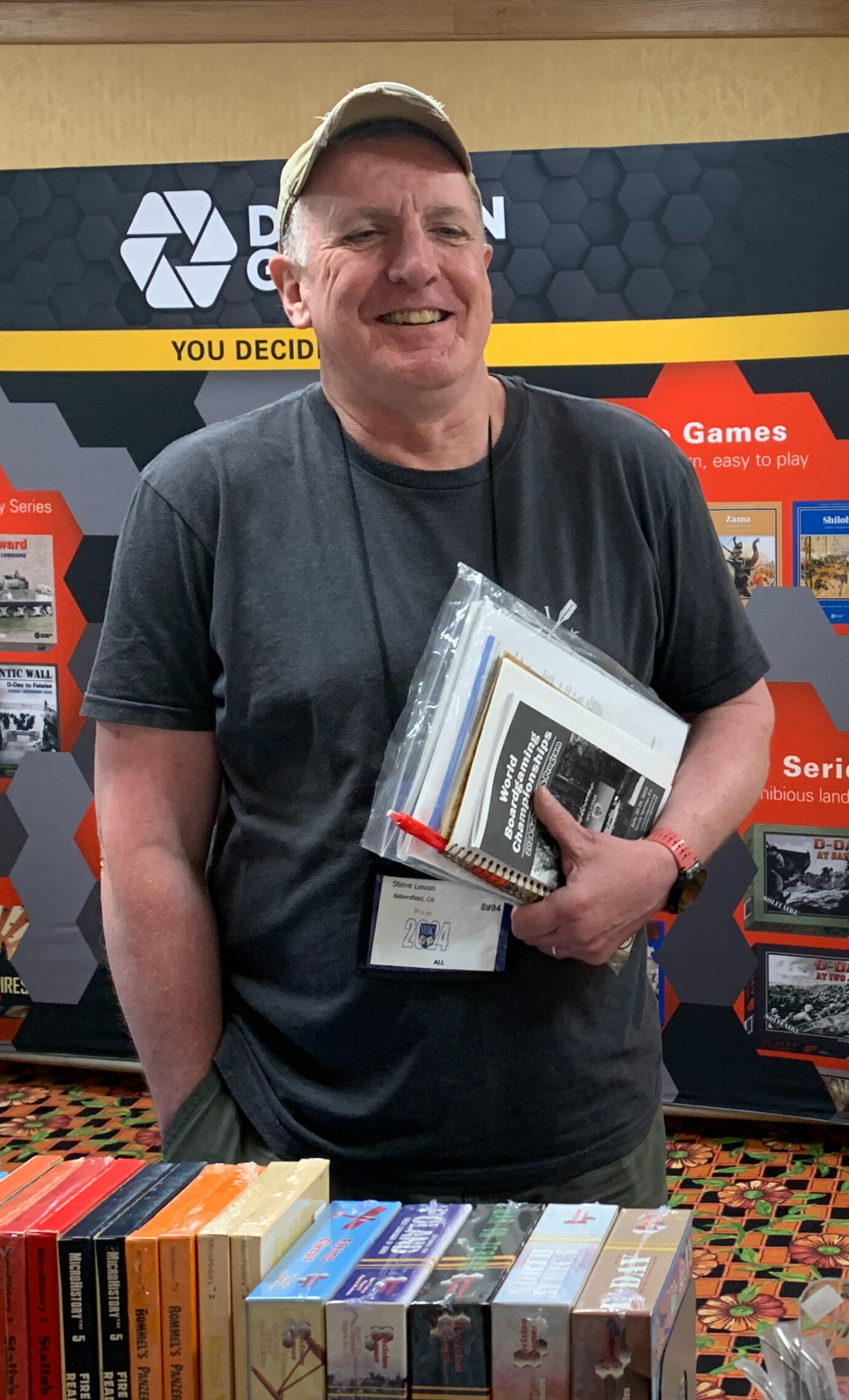
| Doc Cummins | Joseph Miranda | Doug Johnson | Steve Levan | Keith Powell |
|---|---|---|---|---|
| Publisher | Designer | Lead Developer | Lead Developer | Developer |
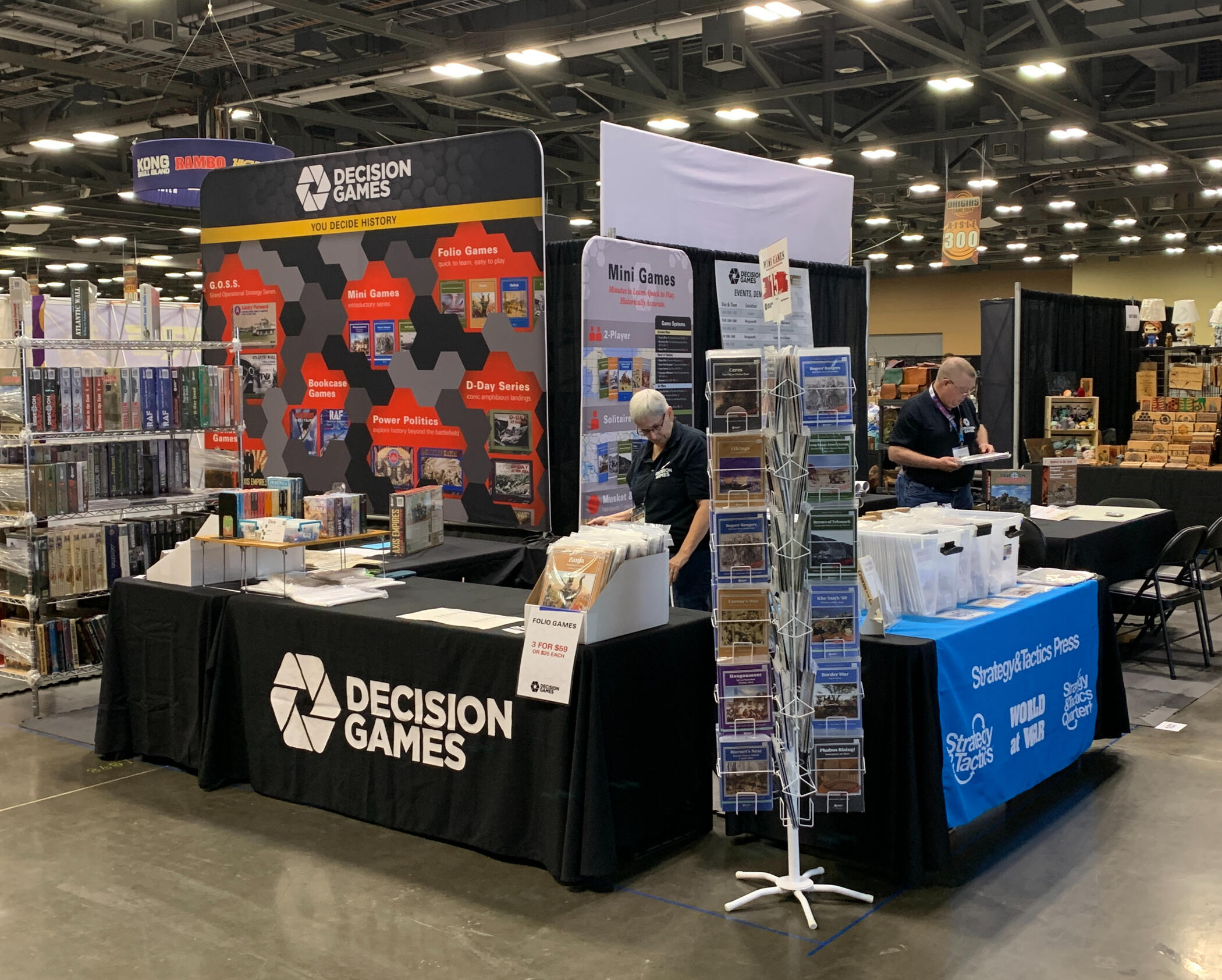
2026 Events
Come see us at live events!
Origins Game Fair | Columbus, OH, June 17–21
ConsimWorld Expo Tempe | Tempe, AZ, July 10–17
Historicon | Lancaster, PA, July 15–19
World Boardgaming Championship |Seven Springs Resort, PA, July 25–Aug 2
Pacificon (CA) | Santa Clara, CA, September 4–7
Boardgame Geek Fall | Dallas, TX, November 18–22
Support
For Customer Support, please e-mail Customer Support directly at [email protected], or call us at 661-587-9633 (1000-1600 Monday-Friday). One of our staff will provide personal attention to any questions you may have. If you have tried both of these methods and don't have a response within two business days, we're clearly experiencing a surge (which usually happens once a month as subscription copies arrive in mail boxes, and whenever we are processing orders for new release shipping).
News
Pledge! Update
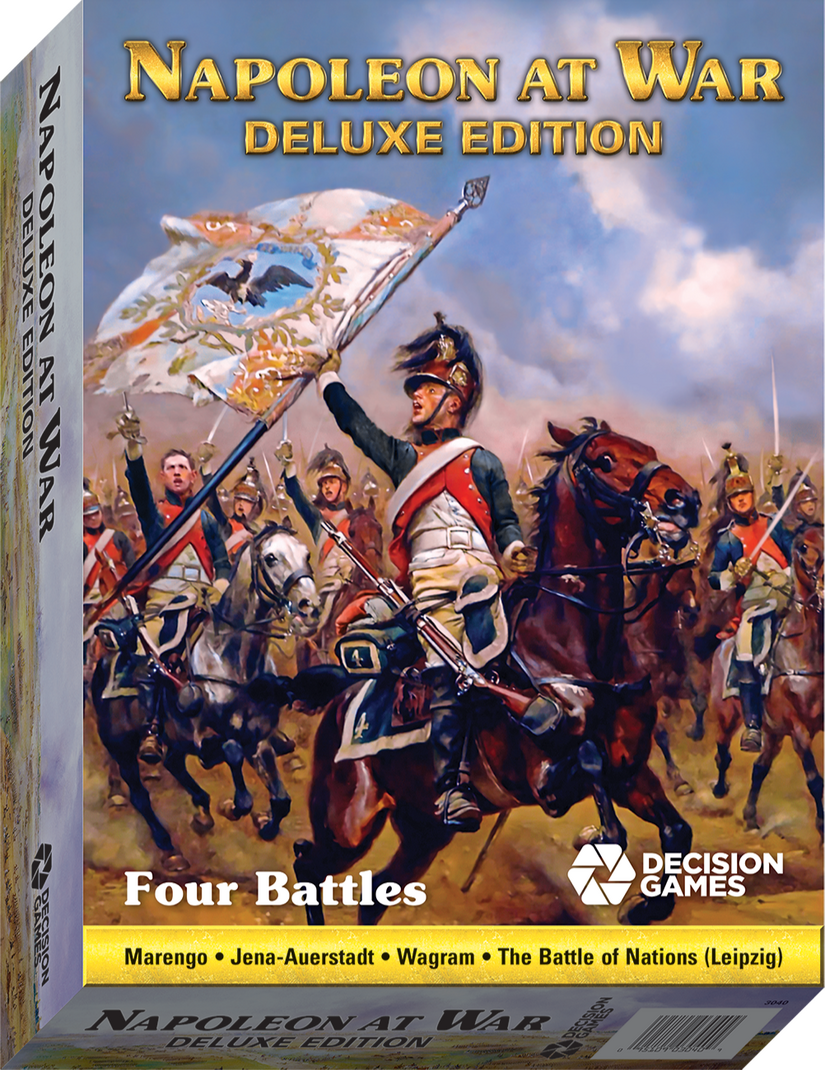
Napoleon at War Deluxe Edition
Status: Released
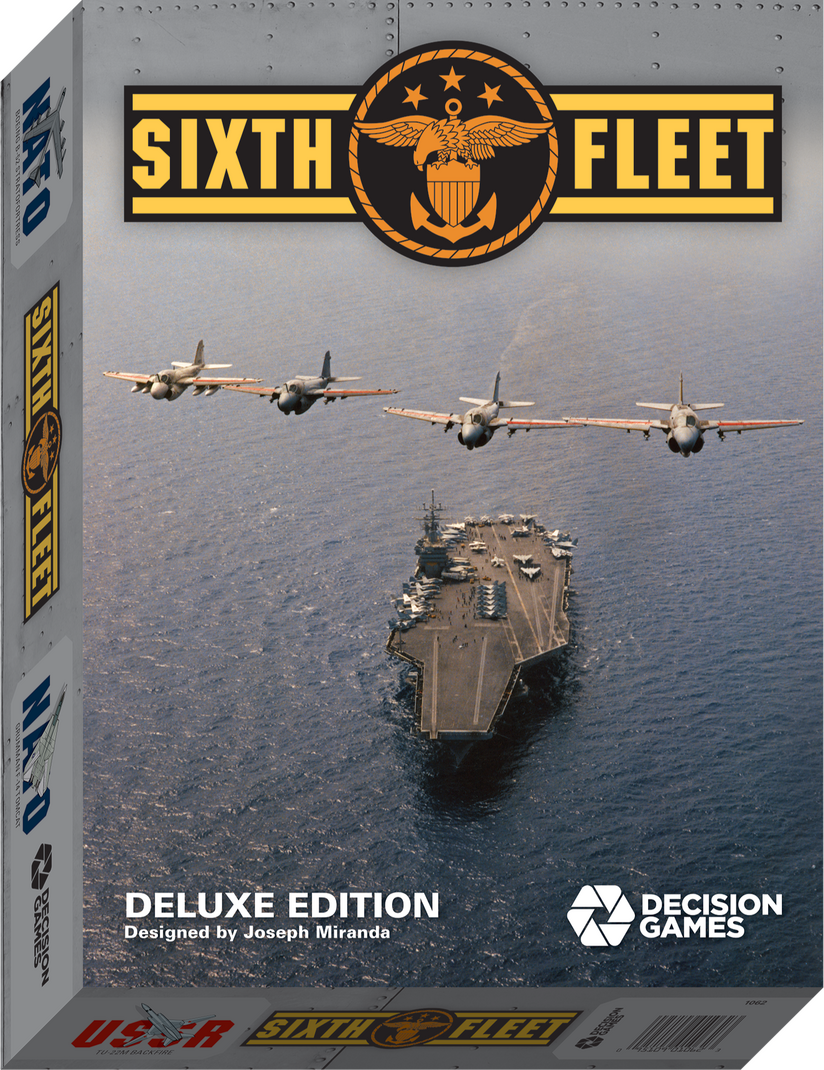
Sixth Fleet Deluxe Edition
Status: Released
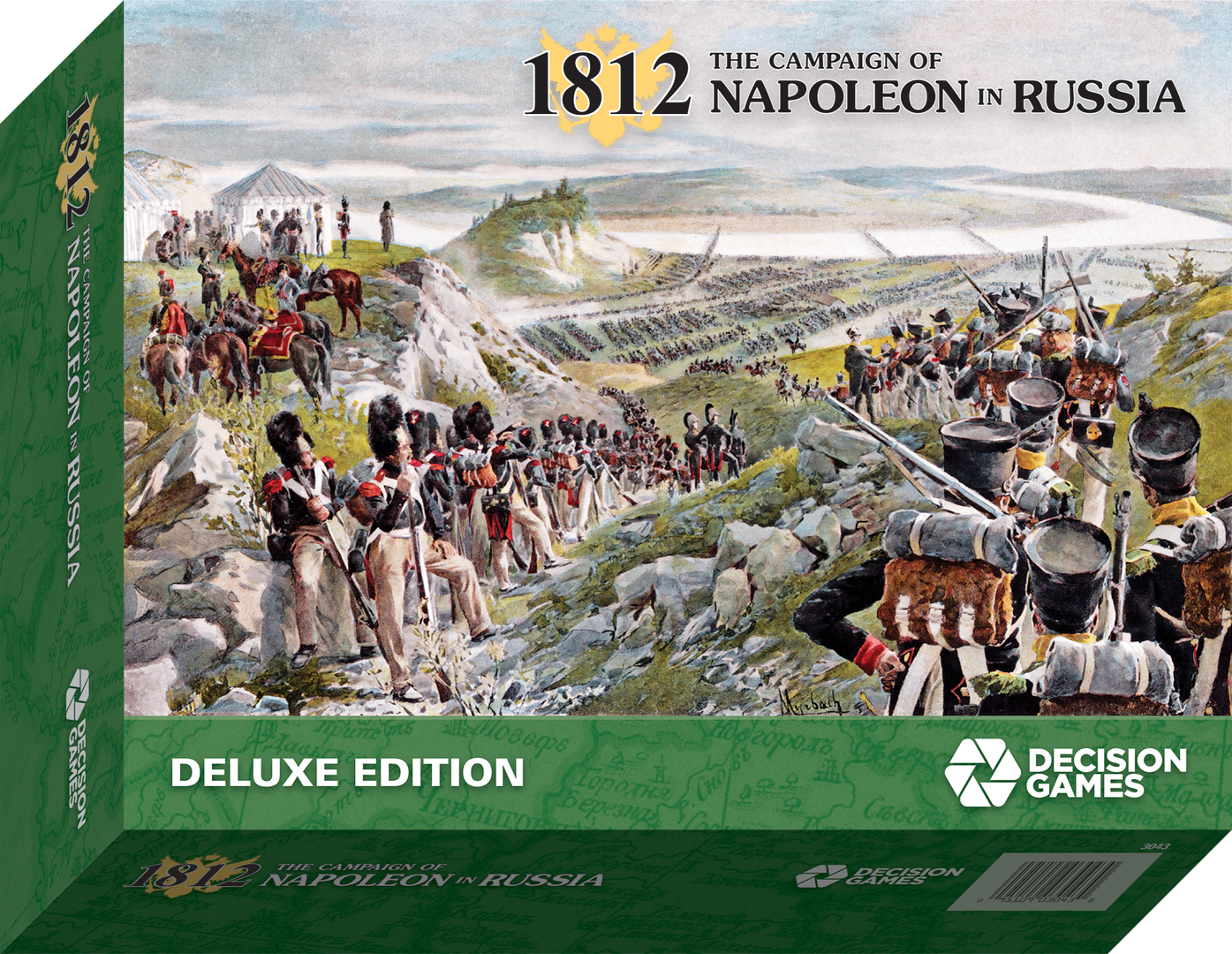
1812: Napoleon in Russia
Deluxe Edition
Status: Released
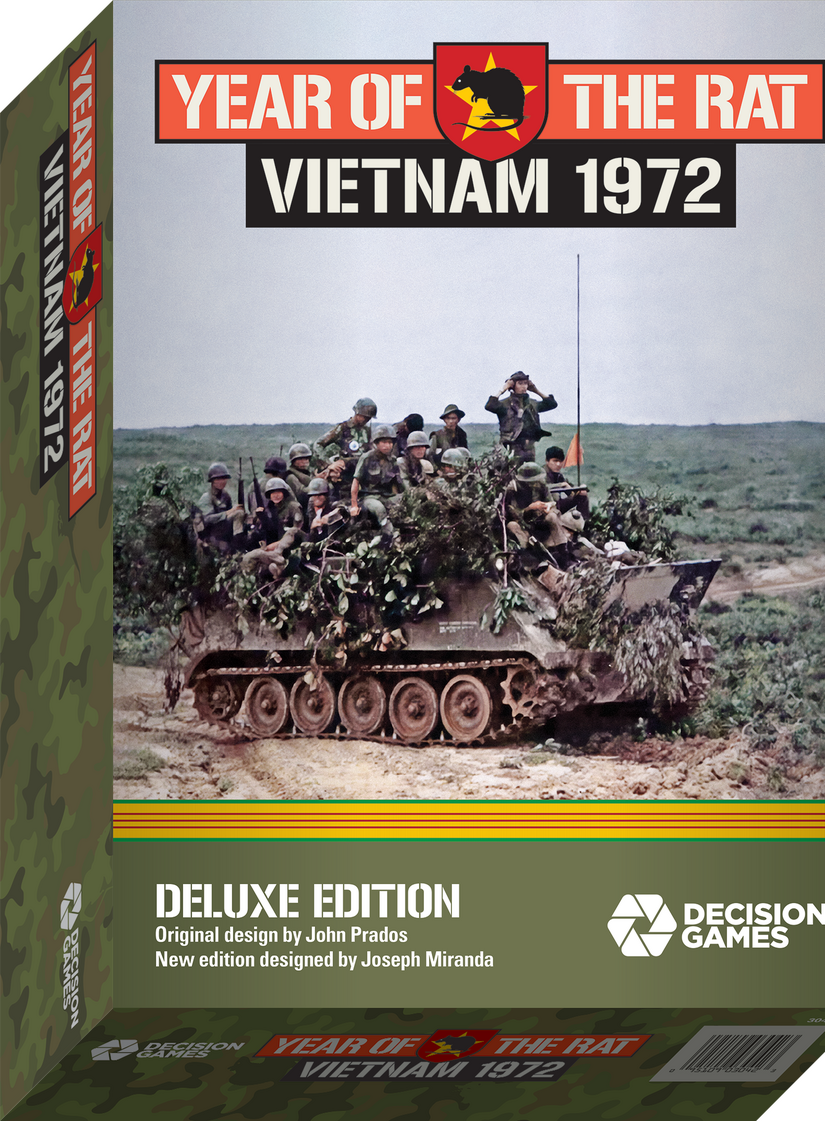
Year of the Rat Deluxe Edition
Status: Released
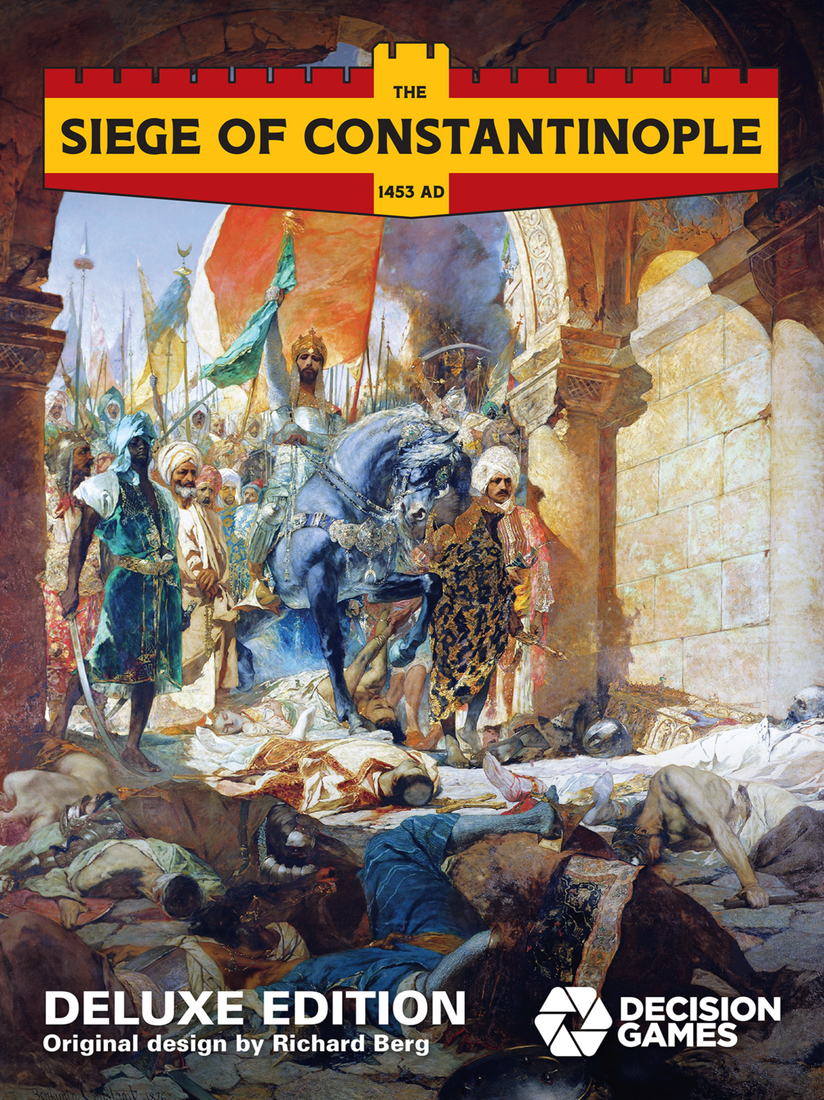
Siege of Constantinople
Deluxe Edition
Status: Released
Mini Series
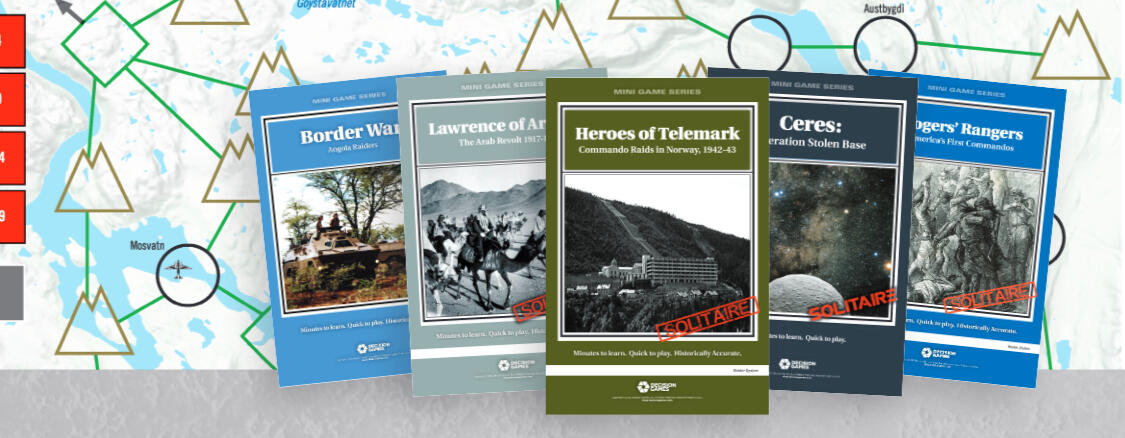
Singleplayer (Solitaire) Wargames
Joseph Miranda designed the first two mini-game lines. He designed a line for solo play as well as a line for two players. The solo line places the player in charge of commandos or raiders (units represent individuals up to companies) tasked with various missions they must complete to achieve victory. Each game includes 18 mini-cards. Four mission cards describe the scenario objectives and starting resources. To win the campaign game, the player must win all four scenarios with each succeeding scenario getting more difficult. Fourteen event cards act as a timer as well as generate random events. Games range from Rogers’ Rangers (the first American commandos) to Lawrence (watch the movie while playing the game!) to Khe Sahn (defending a Vietnam-era fire base) to Phobos Rising (a SF theme of Martian commandos attempting to capture key installations at the beginning of an Earth-Mars conflict). Movement is generally point-to-point, and battles are resolved with a simple firefight combat system.
2-Player Wargames
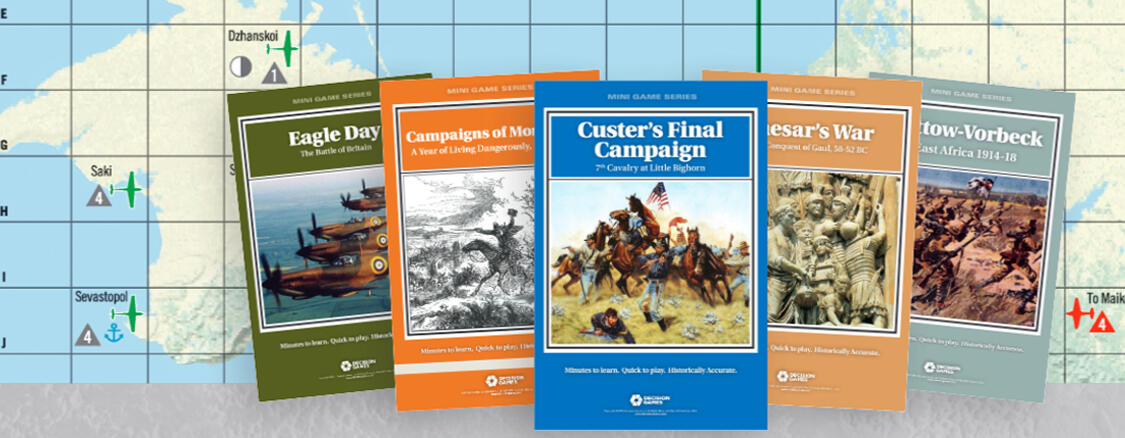
The two-player line has three sub-systems: Ancient Wars, Hand of Destiny (19th century), and Air Wars. Each game includes 18 mini-cards with each player having a deck of nine cards. In Ancient Wars and Hand of Destiny (HoD) the cards indicate the movement allowance of various unit groups as well as reinforcements. In Air Wars, the cards provide an advantage that can be played for one turn or cards can be collected and played to gain a permanent advantage in the game. Ancient Wars and HoD use point-to-point movement, while Air Wars uses a chessboard-like square grid. Air Wars introduces the basics of fighters and bombers with simplified bomb targeting and aerial combat. Some of the Ancient War games include Caesar in Gaul and Hawaii Unification. Hand of Destiny includes Custer’s Final Campaign (the whole year, not just the Battle of Little Bighorn) and Khyber Rifles. Air Wars includes Eagle Day (Battle of Britain) and MiG Alley (Korean War).
Hex Based 2-Player Wargames
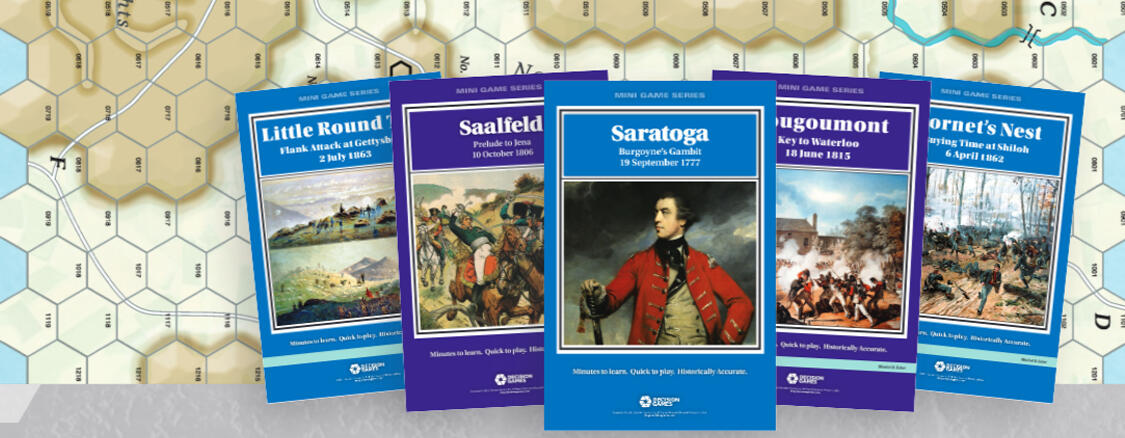
The third line introduces traditional hex and counter wargaming. The larger group is Musket & Saber Quick Play. It covers small battles and turning points in bigger battles from the 18th and 19th century. The counters represent formations ranging from battalions to brigades and include infantry, cavalry, artillery, and leaders. These formations are rated for how fast they can move, their combat ability, and the morale or elan. Artillery can fire at a distance within its range and cavalry can charge. Units that fail morale checks become disrupted and many units have two strength steps, meaning they can take losses but keep on fighting at reduced strength. Leaders are able to add their movement, combat, and morale values to units in their stack.Movement is across a hex field and introduces basic concepts of varying cost for entering and crossing terrain (e.g. moving into a clearing costs one movement point while moving into a woods hex may cost two movement points). Combat is largely between adjacent forces (artillery can fire from a distance), and is based on the difference in attacking and defending forces (not the more complex ratio system found in most wargames). Games include entire small battles such as Saratoga (American Revolution) and Salem Church (American Civil War) as well as turning points within larger battles such as Little Round Top (Gettysburg) and Hougoumont (Waterloo).The M&S Quick Play system rules have received a refresh and the rules are available on the E-rules page of this site and can be used with any game in the series.
Folio Series
Hex Based 2-Player Wargames
The mini-game Musket & Saber Quick Play system also has a bigger brother in our folio line with larger games and greater detail. The rules are interchangeable so players can start with the mini-games and then advance to the folio series using the same Quick Play rules then add in the Musket & Saber folio rules as they want, one rule at a time or all at once. Games include battles from the Napoleonic period (Marengo and Leipzig), the Mexican-American War (Pedragal), and the American Civil War (e.g., Stone’s River, Chickamauga).A second system, Pike & Shot, is a cousin of Musket & Saber and covers battles of the 1600’s and earlier. It includes Breitenfeld and Pavia, along with Kircholm (with Pike & Shot Quick Play rules).Battles of the Ancient World is another system. It along with Battles of the Medieval World focus on pre-gunpowder battles (e.g. Zama, Acre). The rules are actually closer to mini game level, and before the folio lines were established, there were three boxed sets of BAW games.
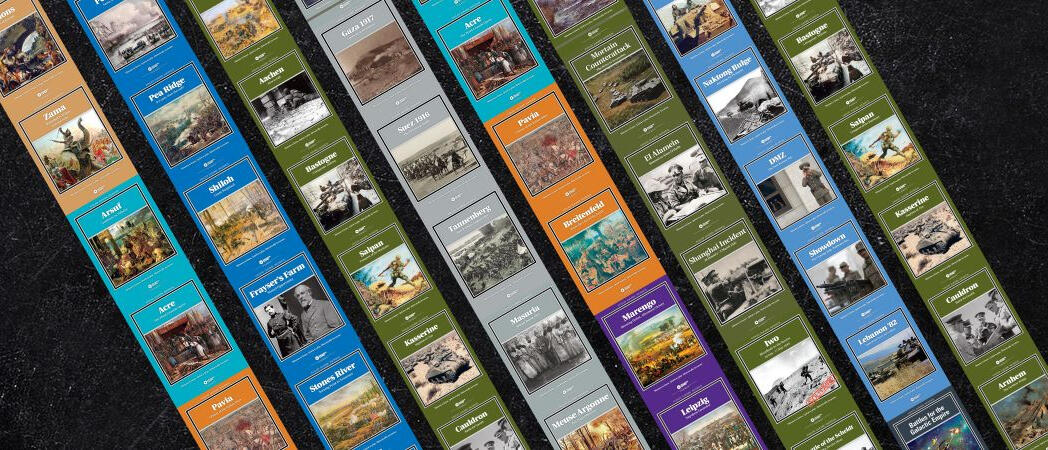
Going forward, after the 18th and 19th century Musket & Saber line, we come to the 20th century Fire & Movement (F&M) line. The F&M system has a main set of system rules for WWII and Modern battles (Bastogne, Golan), and a sub-set for WWI battles (Gaza, Masuria). Because the system focuses on firepower and maneuver, as one progresses through various battles of the 20th century, one sees the lack of WWI-era mobile firepower reflected by the scarcity of units able to move in the second movement phase or fire in the second combat phase, whereas by the end of the century, most armies have a sizeable percentage of units able to use exploitation and momentum. Also, one sees differences in artillery and air support as well as training doctrines and elan quantified in fire support marker sets and whether units have second steps and replacements available.A new system for naval actions was started recently (Battlewagons & Dreadnaughts) and includes a WWI (Coronel and Falklands) and a WWII (River Platte and Denmark Straits) game.The F&M system rules have received a refresh and are available on the E-rules page of this site and can be used with any of the games in the F&M line.All of these game lines offer a great place to start wargaming with several follow-on games in each system, making it easy to learn one game, and go to other games with the same system. Other games with similar systems and more detail are regularly published in Strategy & Tactics Press magazines and in the Decision Games boxed game lines when players are ready for larger and more detailed battles and campaigns.
Box Games
On the journey of exploring military history boardgames, many players start with box games. As the most common and variable type box games can range in complexity from the novice friendly to the most challenging. Over the years DG has published games of varying depth and topics as box games, even reprinting some of the magazine games with additional enhancements.While not necessarily true there is a common perception that the size of a box and thus its components is an indication of the depth. Beginner titles such as Patton’s First Victory or Across Suez provide a basis for understanding common wargame mechanics through approachable and limited scenarios. At the opposite end are titles such as the behemoth, War in the Pacific, which contain such plethora of detail as to cover an entire war in its many facets. However, most wargames are somewhere in the middle, a suitable balance of covering a specific region, battle, or conflict without being bogged down in minutiae that some players relish from those “monster games.”
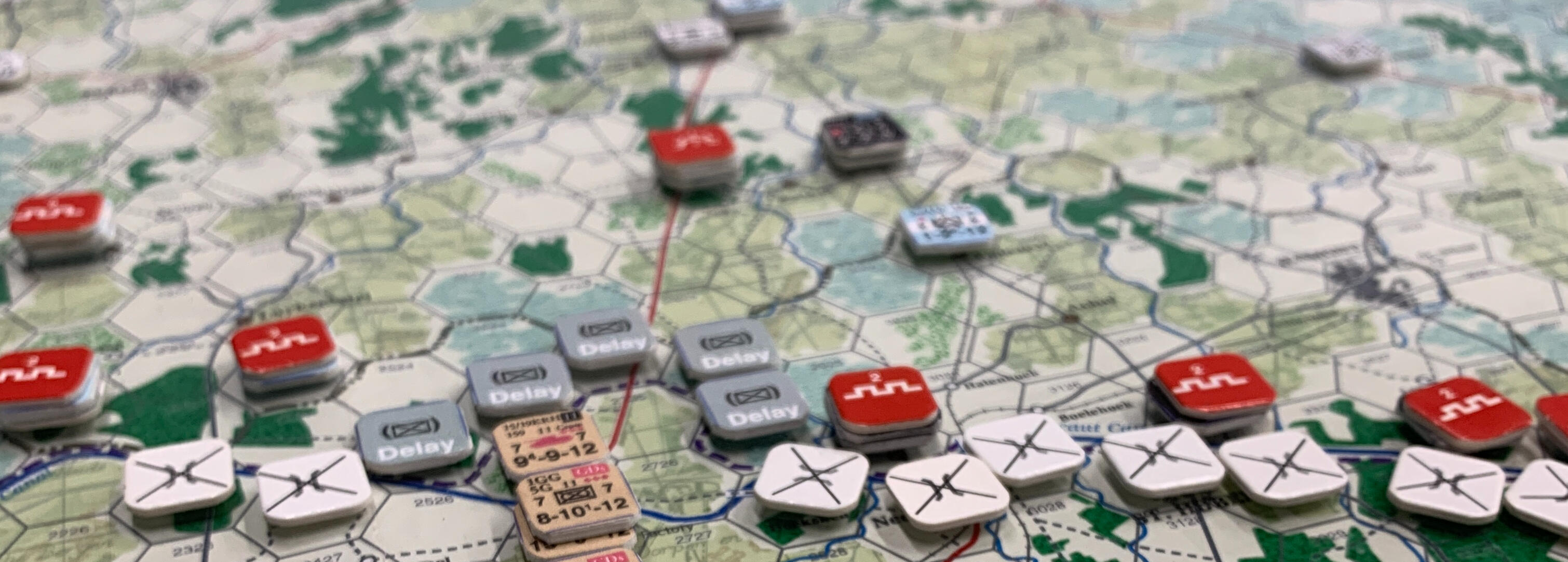
DG Boxed GamesIn the hierarchy of complexity and detail, most DG boxed games other than the introductory games are at or above magazine games. DG boxed games can be divided into several sub-lines:Introductory boxed games.These are largely classic SPI games from SPI. Across Suez is an example. They generally have small maps (11” x 17” to 22” x 17”), 4-8 pages of rules, and 40-100 counters. This is another entry point to get started in wargaming beyond our mini and folio lines. Play time is usually 60-90 minutes.Intermediate boxed games.This category includes several lines: General wargame topics including new games as well as SPI updates. This includes the D-Day series, RAF, and Cobra. Play time varies considerably depending on the game and the scenario – most games have scenarios playable in 2-4 hours but can range up to 10+ hours for campaign scenarios (and usually have break points so the game can split into multiple play sessions).Monster boxed games. These huge games come in oversized boxes to accommodate the large number of components. These wargames generally range from four to nine maps, eight to twenty counter sheets, and 48 to 200+ pages of rules. They feature detailed game systems and are often played by teams over several days though they include smaller scenarios often arranged so players can learn the game system in modular sections using just one or two maps.
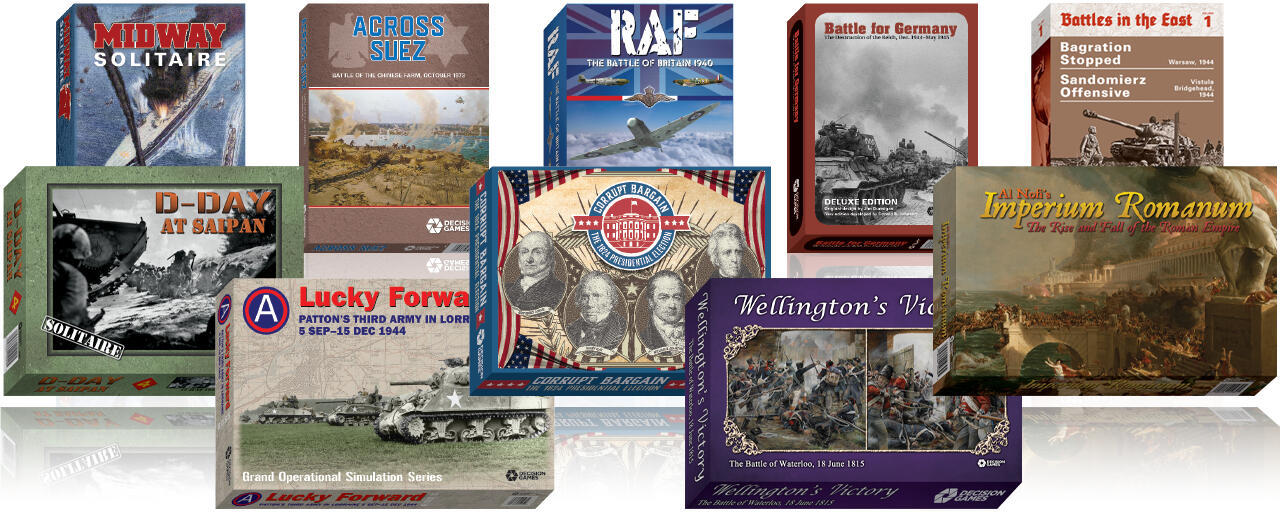
Deluxe game reprintsThese are deluxe reprints of OOP magazine games as well as DG and SPI games. They include a mounted game board, new/additional counters, player aid cards, and expanded rules (great for enhancing games limited by the magazine game format). World War I, Battle for Germany, and Midway Solitaire Deluxe are examples. The reprints are being expanded to include larger, two-map DG and SPI games in the intermediate category. Most of these games are 2-6 hours play time.History Strategy games using Eurogame style mechanics. Currently published are Bleeding Kansas and Corrupt Bargain. Games are intended for general (non-wargaming) board gamers and adaptable for use in history classes at the high school and college level. Play time is 60-120 minutes.
Quick Reference about game lines packaging and rules length:
Mini-games (zip-lock, rules at 4-8 pages)
Folios (zip-lock, rules at 8-16 pages)
Magazine Games (comes with magazine in envelope, rules at 16 pages)
Introductory Box Games (one inch box rules at 4-8 pages)
Intermediate Box Games (two-inch box, rules at 16-32 pages)
Monster Box Games (double-wide, two or three-inch box, rules at 48+ pages)
Magazine Games
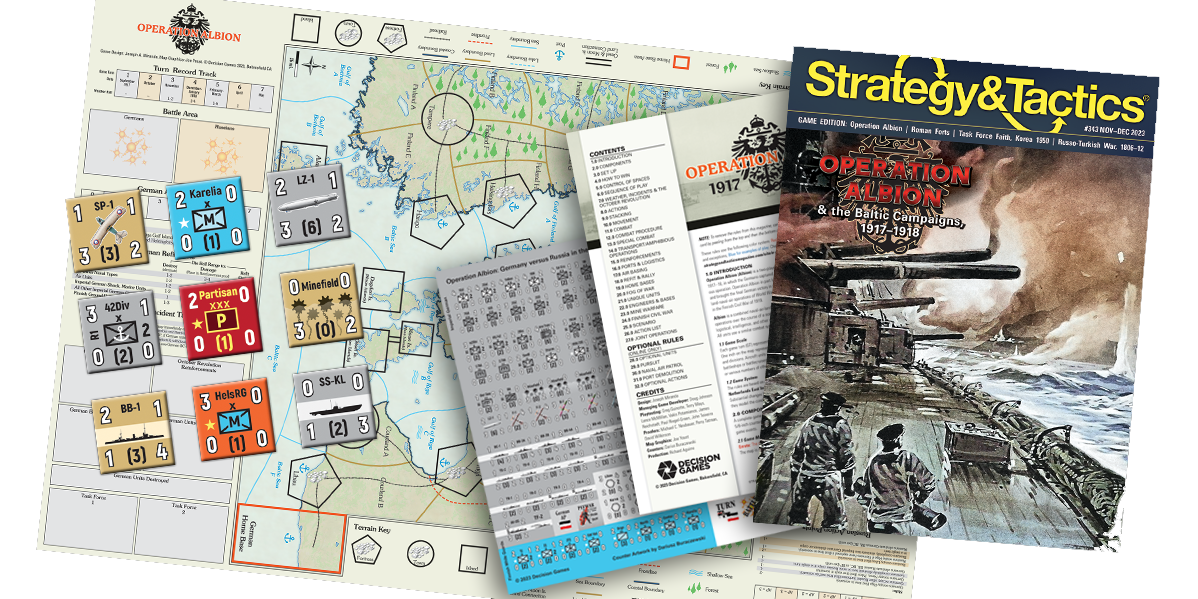
Launched in 1967, Strategy & Tactics was the first magazine to include a game in every issue as well as being the longest continuously running military history magazine (issue #350 appears in November 2024). Each game is supported by a feature-length article in the magazine providing in-depth analysis of the battle or campaign depicted in the game, along with game design notes. Game topics range from ancient to modern, strategic to tactical, and include land, naval, and air conflicts.
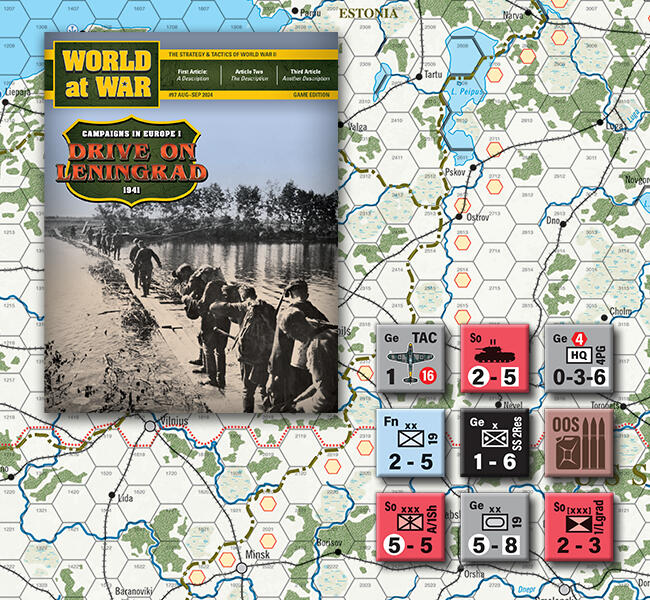
The games to be published are also chosen by a unique customer feedback system that began in the 1970’s and has continued to the present. Game proposals are submitted by designers and run in feedback surveys. The proposals most preferred by respondents are selected and enter the design-development-production-publication pipeline. This customer feedback system has resulted in many unique topics being chosen. It has also resulted in several series of games being chosen when customers wanted more of the game systems they liked.